Introduction
Fresh ingredients are the key to making tasty and healthy meals at home. The quality of the fruits, vegetables, meats, and dairy products you buy has a direct effect on how good your food tastes and how healthy it is. Fresh ingredients not only taste better, but they also smell better, feel better, and are better for you. But it can be hard to find the freshest and healthiest options when there are so many at local markets and grocery stores. This article gives you important tips and tricks that will help you choose the best ingredients every time you go shopping.
Why Freshness Is Important
For any recipe to work, the ingredients must be fresh. When you pick fruits and vegetables right away, they keep more of their vitamins, minerals, and natural flavours. As time goes on, fruits and vegetables lose moisture, nutrients, and flavour, which can make your meals taste worse. Fresh meats and seafood are also safer to eat and taste and smell better. Using fresh, high-quality ingredients makes it easier to cook healthy meals, lowers the chance of spoilage, and makes cooking more enjoyable overall. Knowing how important freshness is can help you shop smarter.
How to Choose Fresh Fruits and Vegetables
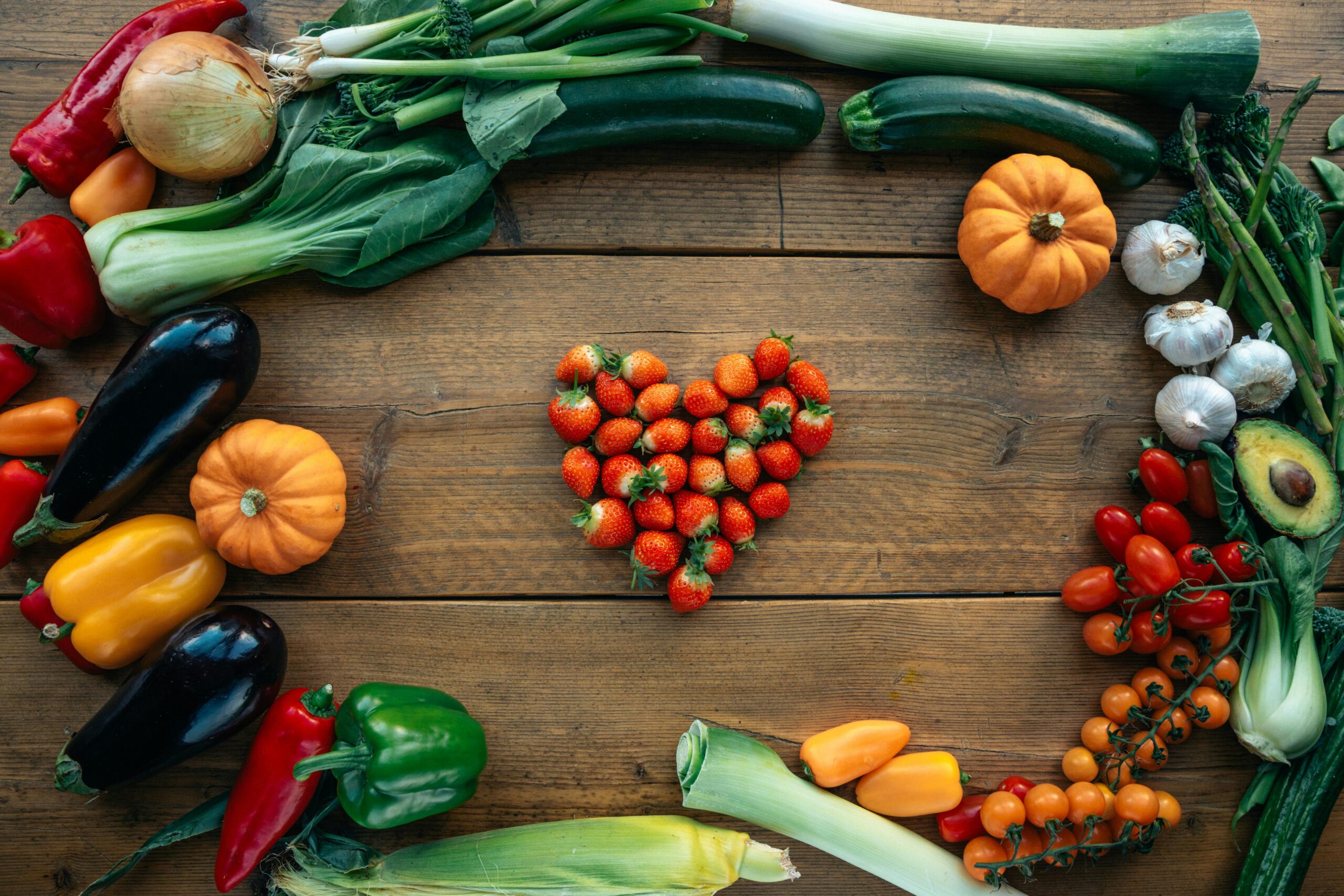
When choosing fresh fruits and vegetables, you should pay attention to their colour, texture, and smell. Fruits and vegetables should be bright in colour and not have any dark spots, bruises, or mould. Another important sign of freshness is firmness. For example, apples and cucumbers should feel firm, but ripe tomatoes and peaches may feel a little soft. Fresh fruits and vegetables also smell good and natural. Spinach and lettuce are two examples of green vegetables that should look crisp and not wilted. Fruits and vegetables that are in season are usually fresher because they are picked when they are at their best, which makes them taste better and be better for you.
How to Pick Fresh Meat and Poultry
The colour of fresh meat should be bright and natural, and the texture should be firm. Red meat should be a deep red or cherry colour, and poultry should be pinkish with no grey spots. There shouldn’t be any bad or sour smells, as this could mean the food has gone bad. The packaging should be tight, and there shouldn’t be any extra liquid, which could mean the meat has been stored for too long. Choosing lean cuts with less visible fat can also contribute to healthier meals. Buying from reliable local butchers or markets is safer and gives you better quality.
How to Pick Fresh Seafood the Right Way
Because seafood spoils quickly, you need to be extra careful when choosing fresh fish and shellfish. The eyes and skin of fresh fish are clear and bright. When you press the flesh gently, it should spring back rather than leave an indentation. Another sign of good seafood is a smell that is fresh and smells like the ocean. Strong fishy smells mean that the food is bad. Shrimp and clams should feel solid and have shells that are tightly closed. Always buy seafood from well-known stores that keep their products on proper ice displays to keep them fresh.
How to Tell if Dairy and Eggs Are Fresh
You should always check the expiration dates and storage conditions of dairy products like milk, cheese, and yoghurt. Milk should smell fresh and be smooth without any lumps. Cheese shouldn’t have mould on it unless it’s a type that naturally has it. The smell of yoghurt should be clean and a little sour. If you can, hold the eggs up to the light. Fresh eggs have a small air pocket inside. You can also check how fresh they are at home by putting them in water. Fresh eggs sink, but older ones float because there is more air inside the shell.
How to Shop Smart to Get Better Quality Ingredients
Shop earlier in the day to always get the best ingredients. That’s when markets restock with fresher produce. Don’t buy things that come in packaging that is too wet, as this could make them spoil faster. Buying fruits and vegetables that are grown nearby means they don’t have to travel as far, which helps keep them fresh. You can also find the best options by looking at different stalls or stores. Make a habit of making a shopping list when you can. This will help you avoid buying things you don’t need and make sure you only buy the freshest items for cooking.
In conclusion
If you want to make healthy, tasty meals, you need to know how to pick fresh ingredients. You can easily tell if fruits, vegetables, meats, seafood, and dairy products are of good quality by looking at their colour, texture, smell, and how they are stored. Using fresh ingredients not only makes your food taste better, but it also makes it safer to eat and more nutritious. If you practise and pay attention, you can make sure that every time you go to the market, you make the right choices so that your meals are tasty and healthy.
Questions and Answers
Q1: What’s the best way to tell if vegetables are fresh?
A1: Look for a bright colour, a firm texture, and a natural smell. Don’t buy things that are bruised or wilted.
Q2: How do I know if the meat is still good?
A2: Fresh meat has a natural colour, a firm texture, and no bad smell.
Q3: What should I check for when I buy fish?
A3: Fresh fish has clear eyes, shiny skin, firm flesh, and a smell like the ocean.
Q4: Are fruits and vegetables that are in season always better?
A4: Yes, seasonal fruits and vegetables are usually fresher and taste better because they are picked when they are at their best.
Q5: What should I look for when buying fresh eggs?
A5: Fresh eggs feel heavy and usually sink in water. Older eggs float because they have more air inside the shell.