Welcome
Making soft, fluffy homemade bread is one of the best things you can do in the kitchen, especially if you love fresh, warm loaves right out of the oven. Bread may seem hard to make, but it’s really just a mix of flour, yeast, water, and time. The magic happens when these ingredients work together and the dough is handled with care. When made correctly, homemade bread has a soft inside and a golden crust on the outside. No store-bought loaf can match the comforting taste of homemade bread. In this article, you’ll learn the most important steps and tips for making perfect homemade bread that rises well, feels light, and tastes great every time.
Knowing how important ingredients are
Choosing the right ingredients is the first step to making soft bread. Yeast makes the dough rise and become fluffy, while high-quality flour gives it structure. Using warm water instead of cold water helps the yeast work properly and makes sure that fermentation goes smoothly. Salt makes the dough stronger and balances the flavor, while sugar feeds the yeast and helps it grow faster. Some bakers add milk or butter to make the bread softer and moister. This can help keep the bread tender for longer. When all the ingredients are fresh and measured correctly, the dough gets the right texture for a light, soft loaf. The first big step to making great homemade bread is to pay attention to the ingredients.
The Kneading Process for the Right Texture
Kneading is one of the most important parts of making bread because it makes gluten, the protein that gives bread its shape and stretch. When gluten forms correctly, the dough becomes stretchy and holds air bubbles, which makes the loaf soft and airy. Kneading also helps mix the ingredients evenly and warms the dough so the yeast can work better. The dough should feel smooth, flexible, and a little sticky after being kneaded well. A lot of beginners stop kneading too soon, which makes the bread dense. If you take your time with this step, your dough will be strong enough to rise perfectly.
Letting the dough rise the right way
The proofing stage, also called the rising stage, is when the yeast makes your dough bigger. To get a soft and fluffy loaf, you need to proof it correctly. If the dough doesn’t rise enough, the bread will be heavy and dry. The loaf could fall apart if it rises too much. In a warm, draft-free place, the dough should double in size. Putting a kitchen towel or plastic wrap over the bowl keeps the food warm and moist. Rising usually takes one to two hours, depending on how warm the room is. You need to be patient because letting the dough proof for a long time makes the bread lighter and airier.
Getting the dough ready for baking and shaping it
Once the dough has risen, how you shape it is very important to how your bread will turn out in the end. When you gently punch down the dough, it releases air bubbles and gets it ready to be shaped. If you want a round loaf, a sandwich-style loaf, or rolls, you should shape the dough gently so that it doesn’t lose too much air. Putting the shaped dough in a greased loaf pan or baking tray keeps it from sticking and lets it rise again before baking. This second rise makes the bread even softer and gives it a smooth surface. If you are careful at this point, you will end up with a loaf that looks professional and has a great texture.
Knowing the right temperature and time for baking
To get a soft inside and a golden crust on your bread, you need to bake it at the right temperature. Most bread recipes call for a hot oven to help the dough rise quickly in the first few minutes of baking. This is called “oven spring.” The heat gives the bread its shape while keeping the inside moist. To make sure the dough rises properly, use a preheated oven. The size of the loaf affects how long it takes to bake. Most of the time, it takes 25 to 35 minutes. If the crust browns too quickly, you can keep it soft by turning down the oven a little. When you tap the bottom of a perfectly baked loaf, it sounds hollow and smells warm and sweet.
How to Keep Bread Soft After You Bake It
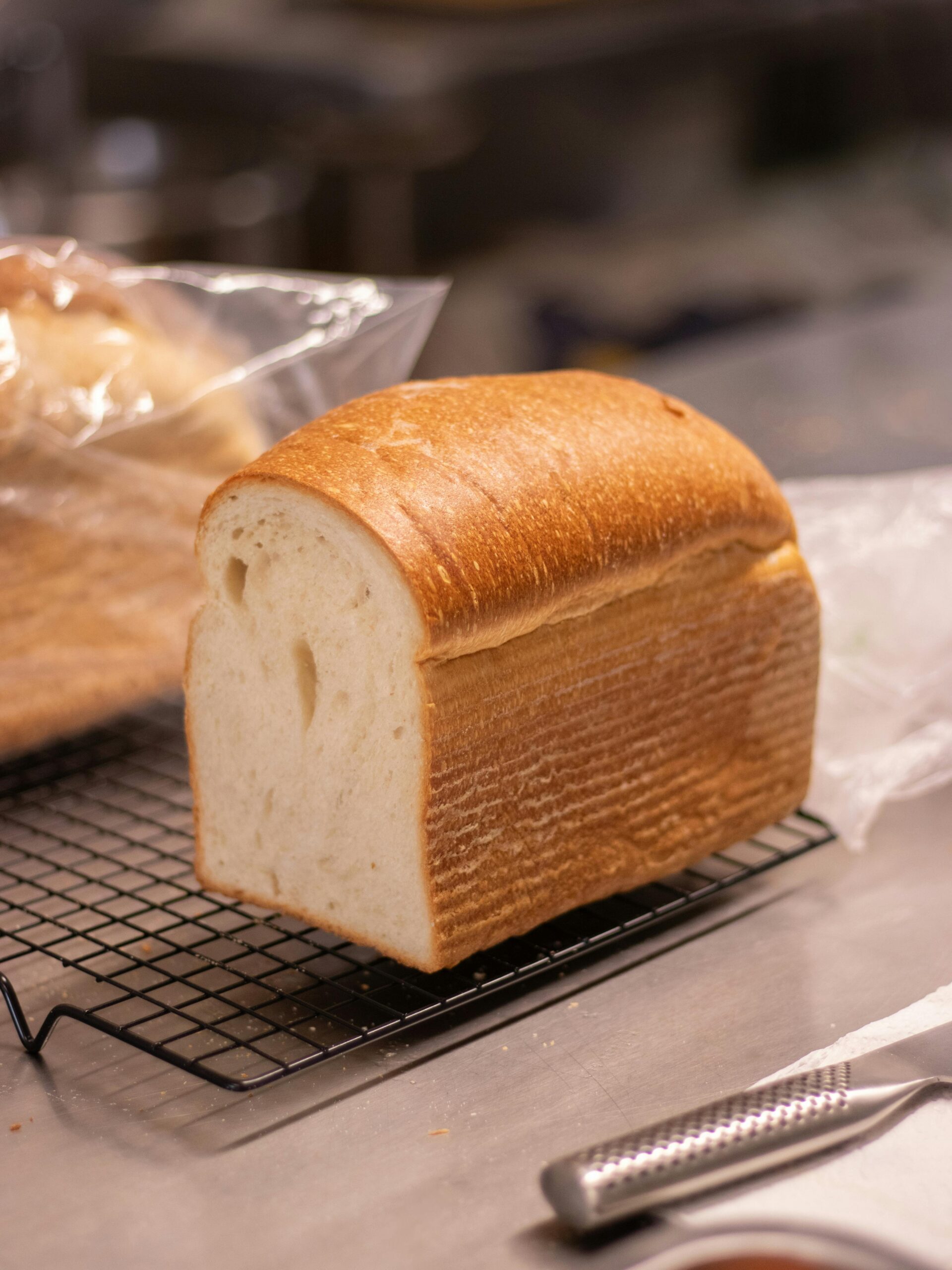
After baking, letting the bread cool properly will keep it soft and keep its texture. Putting the loaf on a wire rack keeps moisture from building up at the bottom, which can make it soggy. Don’t cut the bread while it’s still hot because it lets out steam and makes the loaf dry out faster. If you put bread in an airtight container or wrap it in a clean cloth, it will stay soft for a few days. Adding a little bit of fat, like butter or oil, to the dough also helps keep the bread moist. You can keep extra bread fresh for weeks by freezing it.
In conclusion
It may seem hard to make soft and fluffy homemade bread at first, but with the right ingredients, kneading, and proofing, anyone can do it. The most important thing is to know how each step, from mixing the dough to baking and cooling, changes the final loaf. If you are patient and practice, you will be able to make bread that is light, soft, and smells great. Making your own bread is not only healthier and fresher, but it also makes your kitchen feel warm and cozy. You can try out different flavors, shapes, and textures once you know the basics to make each loaf special and fun.
Questions and Answers
1. Why is my homemade bread so heavy?
If you don’t knead the dough enough or give it enough time to rise, the bread will be dense. To make the dough softer, you need to make sure that the gluten develops properly and give it time to double in size.
2. Is it okay to use all-purpose flour instead of bread flour?
Yes, all-purpose flour works fine, but bread flour makes a loaf that is chewier and lighter because it has more protein in it. If you do it right, either option can make soft bread.
3. What temperature should the water be for the yeast?
The water should be warm, between 100 and 110 degrees Fahrenheit. If you add hot water, the yeast will die. If you add cold water, the yeast will take longer to work.
4. Why does my bread get hard so quickly?
If you don’t store bread properly or cut it too soon, it will dry out. Let the loaf cool all the way down, then put it in an airtight container to keep it moist.
5. Is it possible to make the dough softer by adding milk or butter?
Adding milk, butter, or oil does make the bread richer and softer. These ingredients help keep the bread moist and make the crumb soft.