Beginning
One of the most important nutrients for keeping your strength, helping your muscles grow, and giving you more energy every day is protein. Eating enough high-protein foods is important for everyone, whether you work long hours, work out regularly, or just want to stay active and healthy. Protein not only helps muscles heal, but it also helps with metabolism, hair and skin health, hormone production, and the immune system. A lot of people feel weak or low on energy because they don’t eat enough protein. This guide tells you which high-protein foods are best for building strength, how they help your body, and how to add them to your meals every day for long-term energy and fitness.
Lean meats that are high in protein
Lean meats are some of the best sources of high-quality protein. Chicken breast, turkey, lean beef, and mutton are all good sources of amino acids that are important for building muscle and keeping it strong. Lean cuts of meat have less saturated fat than fatty cuts, which makes them better for your heart and easier to digest. A single serving of chicken breast has more than 25 grams of protein, so it’s a great choice for lunch or dinner. Adding lean meats to your diet helps you recover from exercise and gives you energy all day.
Eggs are a full and cheap source of protein.
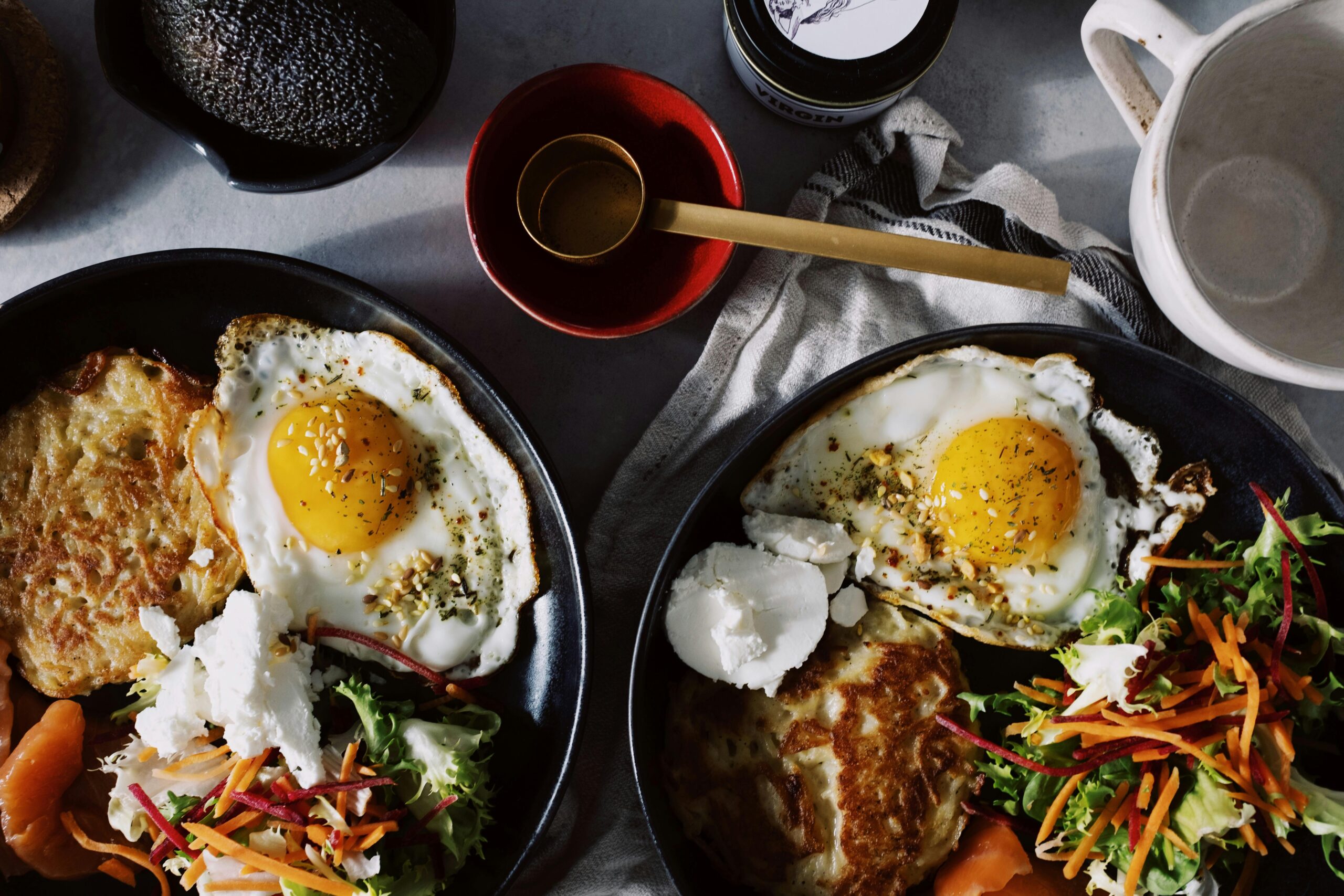
Eggs are one of the foods with the most nutrients. They are a complete protein source because they have all nine of the essential amino acids. One egg has about 6 grams of protein, vitamins B12 and D, and healthy fats that help the body make energy. You can make eggs in a lot of different ways, like boiling them, scrambling them, making omelets, or adding them to salads. This makes them a flexible option. They are great for breakfast because they keep your energy levels steady and keep you from getting hungry in the morning.
Dairy foods that help muscles grow and get stronger
Milk, Greek yogurt, cottage cheese, and cheese are all great sources of protein and calcium. Greek yogurt has almost twice as much protein as regular yogurt. Cottage cheese is another low-fat, high-protein food that is easy to digest. These foods help keep bones healthy and also repair and maintain muscle tissue. Adding yogurt or cheese to your meals not only gives you more protein, but it also gives you important nutrients like potassium and vitamin D.
Proteins from plants for energy and gut health
People who want to eat more plant foods or who follow a vegetarian or vegan diet should get their protein from plants. Lentils, chickpeas, beans, tofu, tempeh, peas, and quinoa are all high in protein and also have other health benefits, such as fiber, vitamins, and minerals. Lentils have about 18 grams of protein per cup, but quinoa is a complete protein that has all the amino acids your body needs. These foods are also easy on the stomach and help you feel full longer, which makes them great for both losing weight and getting more energy.
Nuts and seeds are a quick and healthy way to get more protein.
Nuts and seeds are great for quick snacks and for adding protein to your meals. Almonds, walnuts, pistachios, peanuts, chia seeds, flaxseeds, pumpkin seeds, and sunflower seeds are all good for you because they have healthy fats, protein, and fiber. Eating them between meals can help you stay energized all day long. Chia seeds and flaxseeds also have omega-3 fatty acids, which are good for the heart and brain. Adding a few nuts or a spoonful of seeds to your smoothies, yogurt, or salads is an easy way to get more protein.
Fish and seafood for good fats and protein
Salmon, tuna, sardines, and mackerel are all great sources of protein and healthy omega-3 fats. These fats lower inflammation, help the brain work better, and make the heart healthier. Seafood is also light, easy to digest, and full of nutrients like vitamin B12, iodine, and selenium. Tuna and salmon are great choices for lunch or dinner because they each have about 20 to 25 grams of protein. Eating fish on a regular basis helps muscles heal and keeps your energy levels high all day.
Whole grains that help keep protein levels balanced
Whole grains like oats, quinoa, millet, brown rice, and whole wheat have moderate amounts of protein and other important nutrients. They don’t have as much protein as meats or legumes, but they go well with other protein sources and give you steady energy. For instance, oats have about 6 grams of protein per cup and help muscles heal and stay strong. Adding legumes or lean proteins to whole grains makes meals that are balanced and help you get stronger and last longer.
In conclusion
To stay healthy, build strength, and boost energy, you need to eat foods that are high in protein. You can get protein from animals or plants, and getting more of it can help your muscles recover faster, give you more energy, and help you do better in everyday life. Lean meats, eggs, dairy, seafood, legumes, nuts, seeds, and whole grains are all good for your health and help your body grow and make energy. If you eat a lot of different types of these foods every day, your body will get the amino acids and nutrients it needs to stay strong, active, and healthy.
Questions and Answers
1. How much protein do I need to eat every day?
Most adults need between 0.8 and 1 gram of protein for every kilogram of body weight. However, people who are active may need more.
2. What is the best food with a lot of protein for building muscle?
Chicken breast, eggs, Greek yogurt, fish, and lentils are all great foods for building and repairing muscle.
3. Are proteins from plants enough to build strength?
Yes, lentils, beans, tofu, and quinoa are all plant-based proteins that can give you all the nutrients you need when eaten together.
4. Do foods high in protein give you more energy?
Yes, protein keeps blood sugar levels stable, speeds up metabolism, and gives you steady energy all day long.
5. Do you need protein supplements?
Not all the time. Most people can get enough protein from natural foods unless a nutritionist tells them otherwise.