Introduction
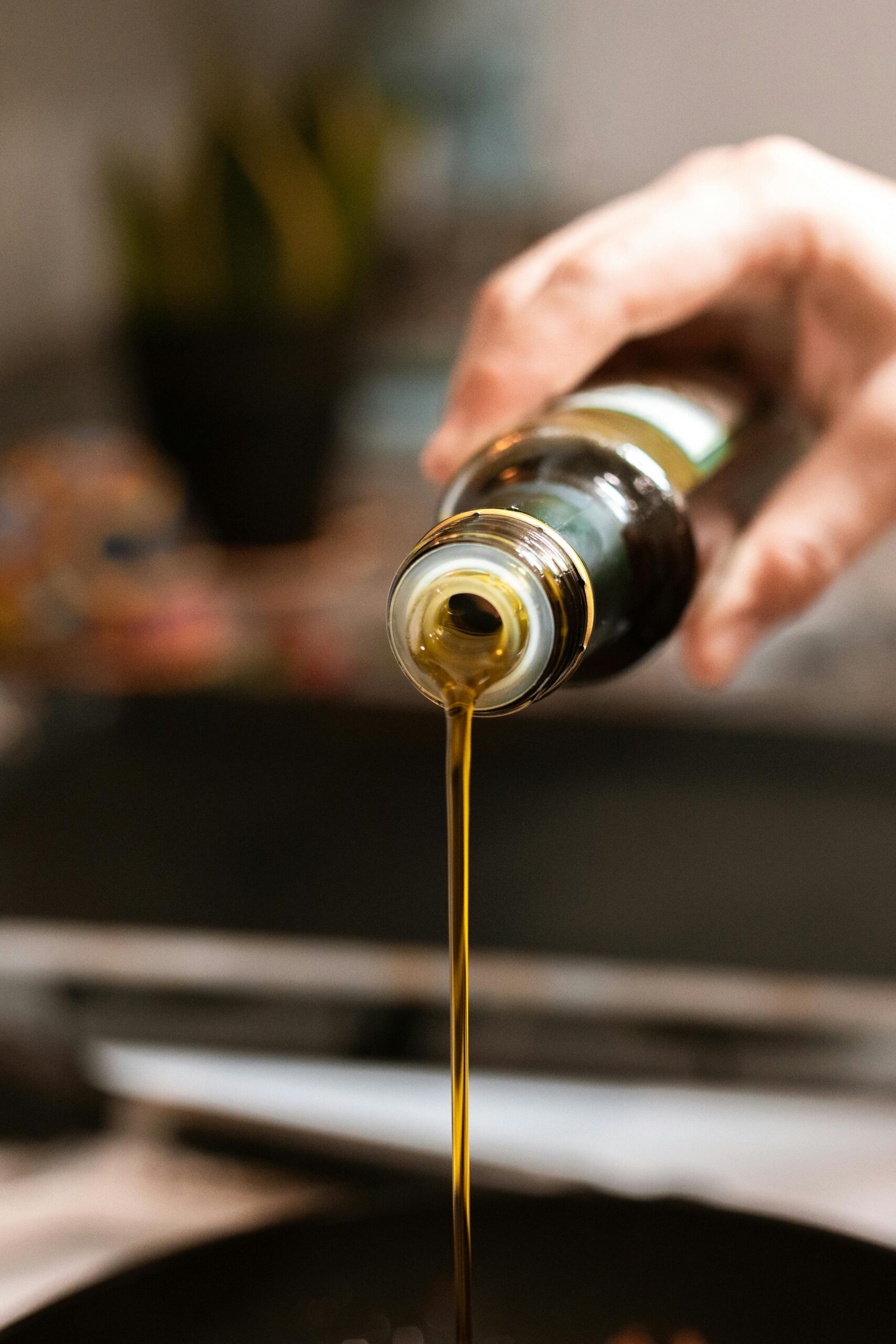
Cooking oils are very important in every kitchen because they change the taste, texture, and nutritional value of your food. Picking the right oil can help you cook healthier meals, make your food taste better, and improve your health in general. But there are so many choices, like olive oil, sunflower oil, coconut oil, and many others, that it can be hard to know which one is best for your cooking. This article tells you everything you need to know about cooking oils, including what kinds there are, how to use them, their health benefits, and their smoke points. This will help you make smart choices that will help you cook better.
Learning about the different kinds of cooking oils
Seeds, nuts, fruits, and plants are all sources of cooking oils. The taste, nutrition, and use of each type of oil are different. Olive oil, for instance, is made from olives and is known for its rich flavour and heart-healthy fats. Sunflower oil is made from sunflower seeds and has a mild taste that works well for everyday cooking. Coconut oil has a unique smell and is often used in tropical dishes or baking. Nut-based oils, such as almond or peanut oil, have deeper flavours that are great for dressings and stir-fries. Knowing these differences will help you choose the right oil for the right dish.
Why Smoke Points Matter in Cooking Oils
The temperature at which an oil starts to break down and make smoke is called its smoke point. This is an important thing to think about because oil loses its nutritional value and may make harmful compounds when it reaches its smoke point. Sunflower, peanut, and canola oil are all good oils for frying or cooking at high temperatures because they have high smoke points. On the other hand, oils with lower smoke points, like extra virgin olive oil, are better for cooking at low temperatures or drizzling on salads. Knowing the smoke point helps you cook food that is healthier and cleaner and keeps you from burning it.
Common Cooking Oils That Are Good for Your Health
Different oils have different health benefits. Many people praise olive oil for having a lot of monounsaturated fats, which are good for your heart and lower inflammation. Coconut oil has medium-chain fatty acids that may give you quick energy, but you shouldn’t use it too much because it has more saturated fat than other oils. Sunflower oil has a lot of vitamin E, and flaxseed oil has omega-3 fatty acids that are good for brain health. You can choose oils that are good for your health and fit with your diet if you know what each one does for you.
How to Pick the Right Oil for Each Cooking Method
Not all oils can be used for all kinds of cooking. You need oils that won’t break down when they get hot if you want to fry or sauté. Peanut, sunflower, and canola oils are great for frying or cooking at high temperatures. Extra virgin olive oil is great for light frying or as a finishing oil for dips, salads, and pasta. Coconut oil has a unique smell and is great for baking and recipes with tropical flavours. Sesame or walnut oil are examples of speciality oils that work best in small amounts to add flavour to dressings or stir-fried foods. Picking the right oil will make your food taste better and have the right texture.
How to Keep Cooking Oils Safe
To keep cooking oils fresh and tasty, you need to store them properly. You should store most oils in a cool, dark place where they won’t get direct sunlight. Heat and light can make them go bad. To make oils with delicate flavours, like flaxseed or walnut oil, last longer, keep them in the fridge. Always look at the expiration date and don’t use oils that smell or taste bad. Using fresh oil makes food taste better and stops harmful chemicals from forming.
Cooking Oils: Common Myths
People often think that all fats are bad for you or that one type of oil is good for all cooking needs. In fact, healthy fats are important for getting energy, absorbing nutrients, and keeping cells working well. Not all oils are the same, and different recipes work best with different oils. Some people also think that heating olive oil makes it bad for you, but you can safely use high-quality olive oil at moderate temperatures. If you know these myths, you can make better choices and use oils more effectively in the kitchen.
In conclusion
You need cooking oils for everyday cooking because they affect the taste and nutrition of your food. You can cook better and stay healthier if you learn about the different kinds of oils, their smoke points, health benefits, and best uses. Picking the right oil for each cooking method makes sure that your food is tasty, safe, and good for you. Choosing the right oil is very important, whether you’re frying, baking, sautéing, or dressing a salad. You can now make better decisions and eat healthier meals at home with this information.
Questions and Answers
Q1: What kind of cooking oil is best for you to use every day?
A1: Olive oil is often thought to be one of the healthiest oils because it has antioxidants and monounsaturated fats that are good for the heart.
Q2: What kind of oil should I use for frying?
A2: The best oils for deep frying are those with high smoke points, like peanut, sunflower, or canola oil.
Q3: How can I tell if cooking oil has gone bad?
A3: Rancid oil usually smells bad and tastes bitter. If the smell or taste seems off, it’s best to throw it away.
Q4: Is it okay to use cooking oil again?
A4: You can use oil again one or two times, but only if it hasn’t been too hot and has been filtered to get rid of food bits. But it’s not a good idea to use it again and again.
Q5: Is it okay to use coconut oil every day?
A5: Coconut oil is good for your health, but it has a lot of saturated fat, so you shouldn’t use it every day.