Beginning
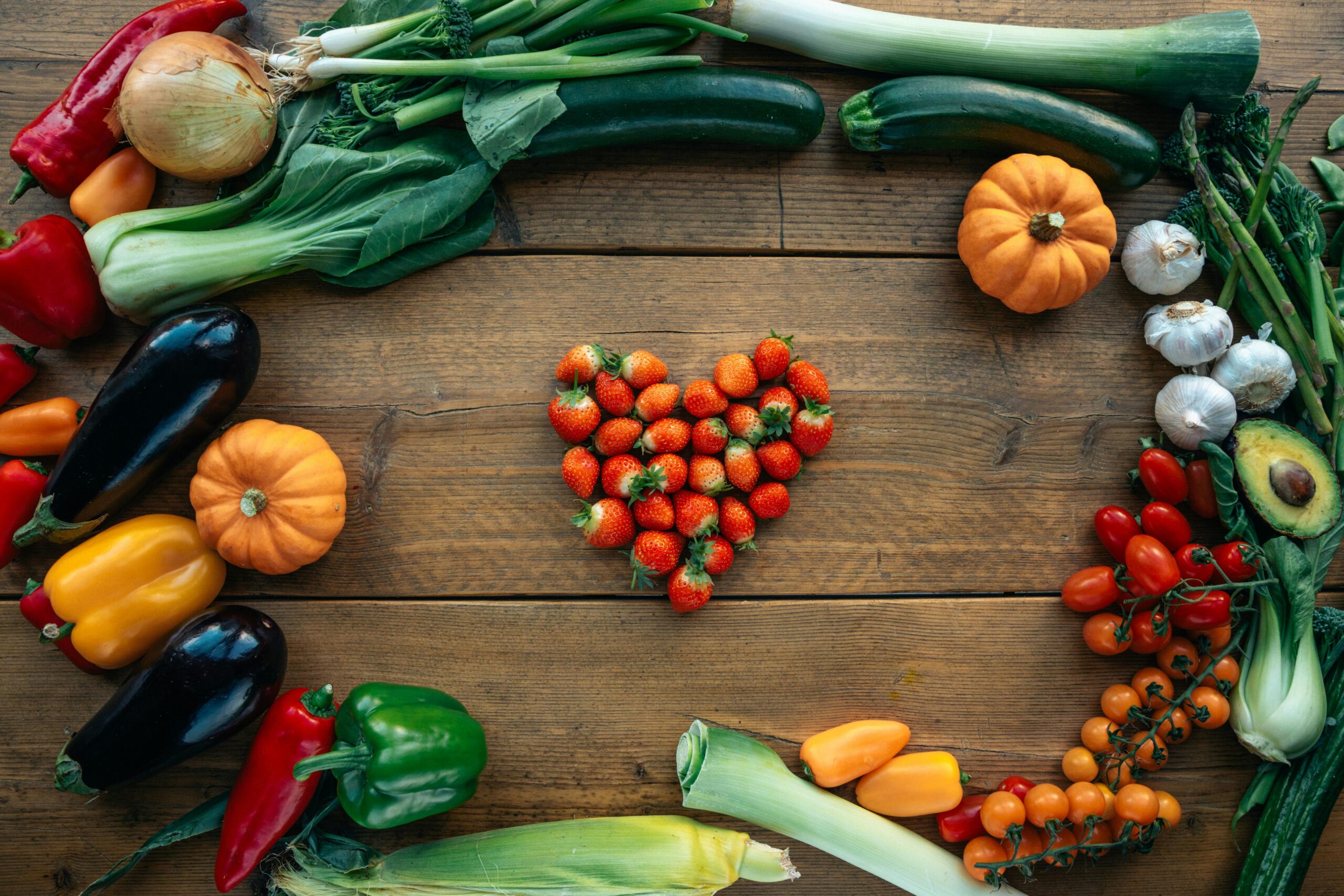
Fruits and vegetables are important for a healthy diet, but they also go bad quickly, so you should eat them right away. Food can spoil quickly, lose nutrients, taste bad, and go to waste if it isn’t stored properly. You can save money, keep produce fresh, and make it last longer by learning how to store different kinds of produce the right way. This article gives you useful and effective ways to store fruits and vegetables so they stay fresh, tasty, and healthy for as long as possible.
Learning about ethylene gas and how it affects food
Ethylene is a natural gas that many fruits give off. It speeds up the ripening process. Tomatoes, avocados, mangoes, bananas, and apples all make a lot of ethylene. When you keep these things close to ethylene-sensitive vegetables like cucumbers, spinach, leafy greens, and carrots, they spoil faster. Keeping fruits and vegetables that make ethylene and those that are sensitive to it apart helps keep them fresh. For instance, keeping apples away from leafy greens stops them from wilting and turning yellow too soon. This simple idea can help you keep food from going bad a lot.
Keeping fruits at the right temperature
Some fruits don’t need to be kept cold. Bananas, mangoes, peaches, and pineapples are some fruits that ripen better at room temperature. You can move them to the fridge to make them last longer once they are ripe enough. In the fridge, berries, grapes, apples, and citrus fruits stay fresh longer. Keeping fruits in breathable bags or containers in the crisper drawer of the fridge helps keep the humidity at the right level. Don’t wash fruits before putting them away, as moisture can help mould grow.
Keeping Vegetables Fresh by Controlling the Humidity
To stay fresh, vegetables need certain levels of humidity. Most of the time, the crisper drawer in the fridge lets you change the humidity. Because it helps them stay crisp, leafy greens, broccoli, carrots, and cucumbers like high humidity. You can keep these vegetables fresh by putting them in plastic bags with holes in them. This lets some air in while keeping the moisture in. On the other hand, mushrooms, onions, and garlic need low humidity and good airflow. Don’t keep them in airtight containers because moisture can get trapped and make them slimy or mouldy.
How to store root vegetables and hardy fruits and vegetables
Potatoes, onions, sweet potatoes, and garlic are examples of root vegetables that last longer than soft fruits and vegetables. A pantry or cupboard is a good place to keep them because it is cool, dark, and dry. You should never put potatoes in the fridge because cold temperatures turn their starch into sugar, which changes the taste and texture. You shouldn’t keep onions and potatoes next to each other because the gases that onions give off can make potatoes sprout faster. To keep these vegetables from getting too wet, store them in mesh bags or baskets.
How to Keep Leafy Greens Fresh and Not Wilted
If you don’t store leafy greens like spinach, lettuce, and kale properly, they go bad quickly. Take off any leaves that are broken or wilted first. Wrap the greens loosely in paper towels to soak up extra moisture, and then put them in a bag that lets air through. Put them in the drawer of your fridge that has a lot of humidity. It’s not a good idea to wash greens before putting them away, but if you have to, make sure they are completely dry before putting them in the fridge. If you store them correctly, the greens will stay fresh and crisp for several days and won’t get soggy.
How to Store Cut Fruits and Vegetables
When you cut fruits and vegetables, they lose moisture quickly and are more likely to grow bacteria. Put cut-up fruits and vegetables in airtight containers in the fridge. Sprinkle some lemon juice on apples, pears, and avocados before you put them away to keep them from turning brown. When you store carrot and celery sticks in containers with water, they stay crisp longer because the water keeps them hydrated. To make sure that cut fruit and vegetables are used while they are still fresh and safe, always write the date on them.
Ways to Stop Mould and Moisture from Building Up
Too much moisture is one of the main reasons why food goes bad quickly. It’s important to keep your fridge clean and dry and to wipe down the drawers often. Don’t put too many things in the produce drawer because air needs to flow properly. Use paper towels to soak up any extra moisture in the produce bags. Check your fruits and vegetables often and throw away any that are bad right away. Mould can spread very quickly. Following these simple steps greatly lowers the risk of mould growth and keeps fruits and vegetables fresh.
Final Thoughts
Not only does storing fruits and vegetables correctly keep them fresh longer, it also helps keep their taste, texture, and nutritional value. You can make better choices about how to store different kinds of produce if you know how temperature, humidity, and ethylene gas affect them. Whether it’s separating ethylene-producing fruits, adjusting refrigerator humidity levels, or keeping leafy greens dry, these small steps make a big difference. You can save money, cut down on waste, and eat fresh fruits and vegetables all week if you use the right methods.
FAQs 1. Should I wash fruits and vegetables before storing them?
If you want to keep your food fresh, don’t wash it before putting it away. Wash them right before you eat them.
2. Why do my greens go bad so quickly?
Too much moisture makes things wilt and go bad. Wrapping greens in paper towels and storing in high humidity helps keep them fresh.
3. What fruits should not be refrigerated?
Bananas, mangoes, pineapples, and peaches should be kept at room temperature until ripe.
4. Can I store onions and potatoes together?
No. Onions release gases that cause potatoes to sprout faster.
5. How can I make berries last longer?
Put them in a breathable container in the fridge without washing them. Add a paper towel to soak up any extra moisture.